NEWater Technology: How Singapore Reclaims Used Water
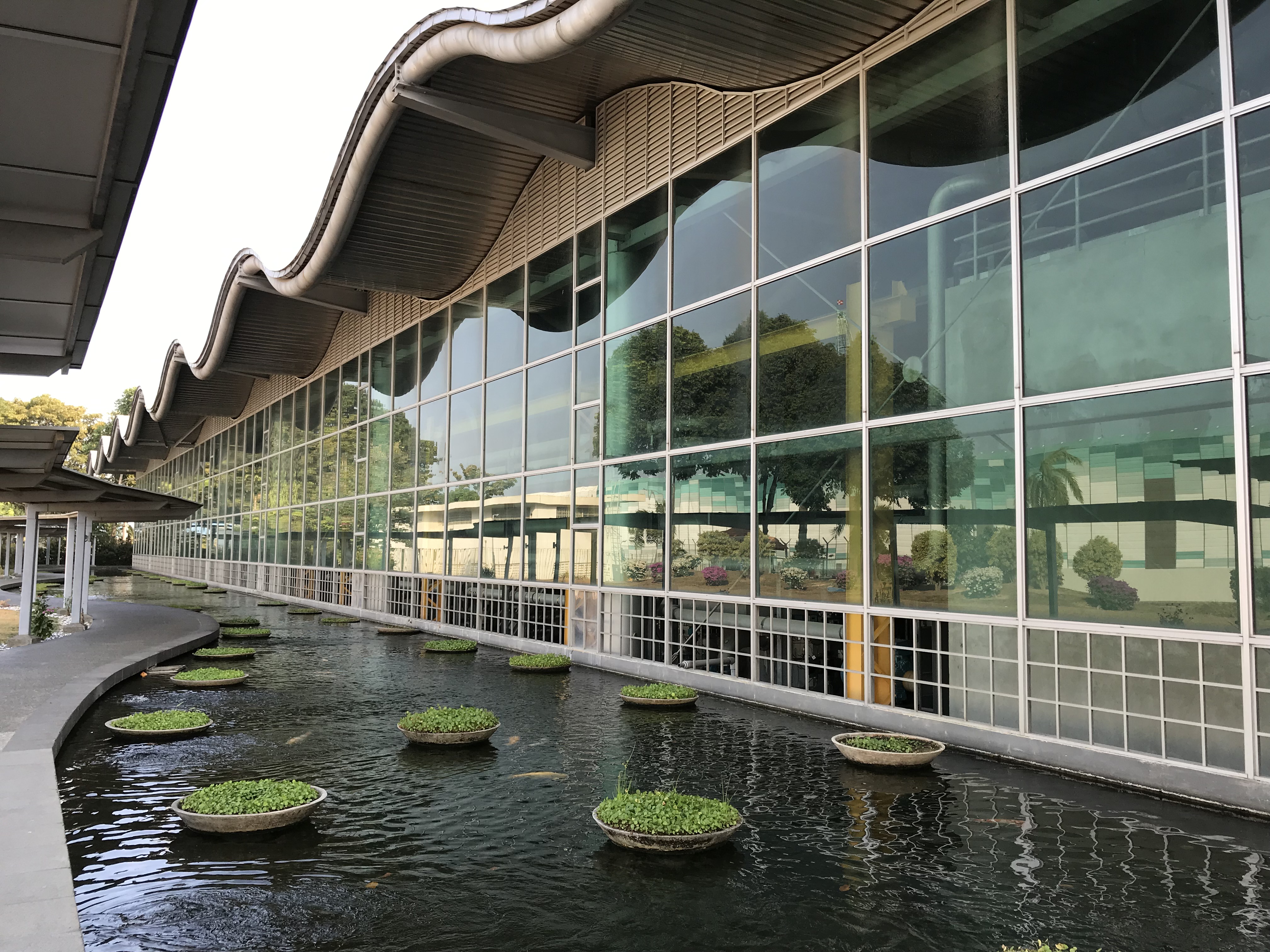
Singapore imports a significant portion of its water from Malaysia under a bilateral agreement signed in 1962. As that agreement approaches its 2061 expiry, the city-state has invested heavily in alternative supply chains. NEWater — ultra-purified reclaimed water — now meets roughly 40% of national demand and sits at the core of Singapore's water independence strategy.
Three-Stage Purification Sequence
Every drop of NEWater passes through three distinct treatment barriers. The cumulative effect is water that consistently exceeds WHO drinking water guidelines and US EPA standards across more than 300 tested parameters.
Stage 1: Microfiltration / Ultrafiltration
Treated used water from conventional water reclamation plants enters hollow-fibre membrane modules with pore sizes between 0.01 and 0.1 microns. At this scale, suspended solids, colloidal particles, and most bacteria are physically blocked from passing through. Since 2012, PUB has progressively adopted Membrane Bioreactor (MBR) technology at newer plants. MBR combines the biological treatment step with membrane filtration in a single integrated unit, reducing the physical footprint by approximately 30% compared to conventional configurations.
Stage 2: Reverse Osmosis

Pre-filtered water is pressurised to between 150 and 250 psi and forced through semi-permeable polyamide thin-film composite membranes. The pore structure of these membranes is tight enough to reject molecules larger than approximately 0.0001 microns. In practical terms, this removes 95–99% of dissolved salts, organic compounds, heavy metals, and virtually all viruses and bacteria that survived the first stage.
The reject stream (concentrate) is not discarded. It undergoes further treatment before being safely returned to the reclamation cycle, minimising overall water loss in the system.
Stage 3: UV Disinfection

As a final safeguard, the RO permeate passes through ultraviolet irradiation chambers operating at 254 nm wavelength. UV light at this frequency disrupts the DNA of any residual microorganisms, rendering them incapable of reproduction. This stage adds no chemicals to the water and introduces no by-products, making it a particularly clean finishing step.
Current Production Capacity
As of early 2026, four NEWater plants are operational across Singapore:
- Bedok NEWater Factory — operational since 2003, expanded in 2018
- Kranji NEWater Factory — operational since 2003, slated for reconstruction
- Ulu Pandan NEWater Factory — operational since 2007
- Changi NEWater Factory — the newest and largest, co-located with Changi Water Reclamation Plant
Combined output covers roughly 40% of Singapore's current water demand. The majority of NEWater is directed to wafer fabrication plants and other industrial users requiring ultra-pure process water. A smaller fraction is blended into reservoir supplies during dry periods.
Expansion Plans: Tuas and Beyond
PUB's infrastructure roadmap centres on a three-node used water management system expected to be fully operational by 2035. The cornerstone is the Tuas Water Reclamation Plant, an integrated facility that will combine used water treatment and NEWater production. The planned NEWater output at Tuas is 75 million gallons per day (mgd), which would make it one of the largest water reclamation facilities in the world.
Kranji NEWater Factory is scheduled for reconstruction to accommodate updated membrane technology and expanded throughput. Changi WRP will also undergo capacity expansion as part of the same long-term plan.
By 2060, NEWater is projected to meet up to 55% of Singapore's future water demand, up from the current 40%. This growth depends on continued investment in membrane technology and energy recovery systems that reduce the per-unit cost of production. — PUB, Singapore's National Water Agency
Water Quality Monitoring
NEWater undergoes continuous real-time monitoring through a Supervisory Control and Data Acquisition (SCADA) system installed at each plant. Over 300 physical, chemical, and biological parameters are tested at various points in the treatment train. Independent verification is performed by the NEWater Department's laboratory, which holds SAC-SINGLAS accreditation for water testing.
Published results consistently show NEWater meeting or exceeding both WHO drinking water guidelines and USEPA National Primary Drinking Water Regulations across all tested parameters.
Energy Considerations
Reverse osmosis is the most energy-intensive step in the NEWater process, typically consuming 2–4 kWh per cubic metre of permeate produced. PUB has implemented several measures to manage this cost:
- Energy recovery devices in the RO concentrate stream recapture 25–40% of the hydraulic energy
- Variable-frequency drives on high-pressure pumps reduce electricity consumption during lower-demand periods
- Solar panels installed at Changi WRP contribute to on-site energy generation
- Ongoing research into electrochemical desalination methods that could reduce energy consumption by up to 50% versus current RO technology