
Inside NEWater's Three-Stage Purification Process
A technical breakdown of how Singapore transforms used water into ultra-pure NEWater through microfiltration, reverse osmosis, and UV disinfection at the Bedok facility.
Read analysis →
Detailed analysis of municipal treatment processes, NEWater reclamation technology, and residential filtration methods across the island.
A diversified strategy managed by PUB that draws from four distinct sources to ensure long-term water security for 5.9 million residents.
17 reservoirs collect rainwater from two-thirds of Singapore's land area through 8,000+ km of drains and canals.
Up to 250 million gallons daily from Johor River under the 1962 Water Agreement, set to expire in 2061.
High-grade reclaimed water meeting 40% of current demand through advanced membrane and UV treatment.
Five operational plants converting seawater via reverse osmosis, with capacity expansions planned through 2030.
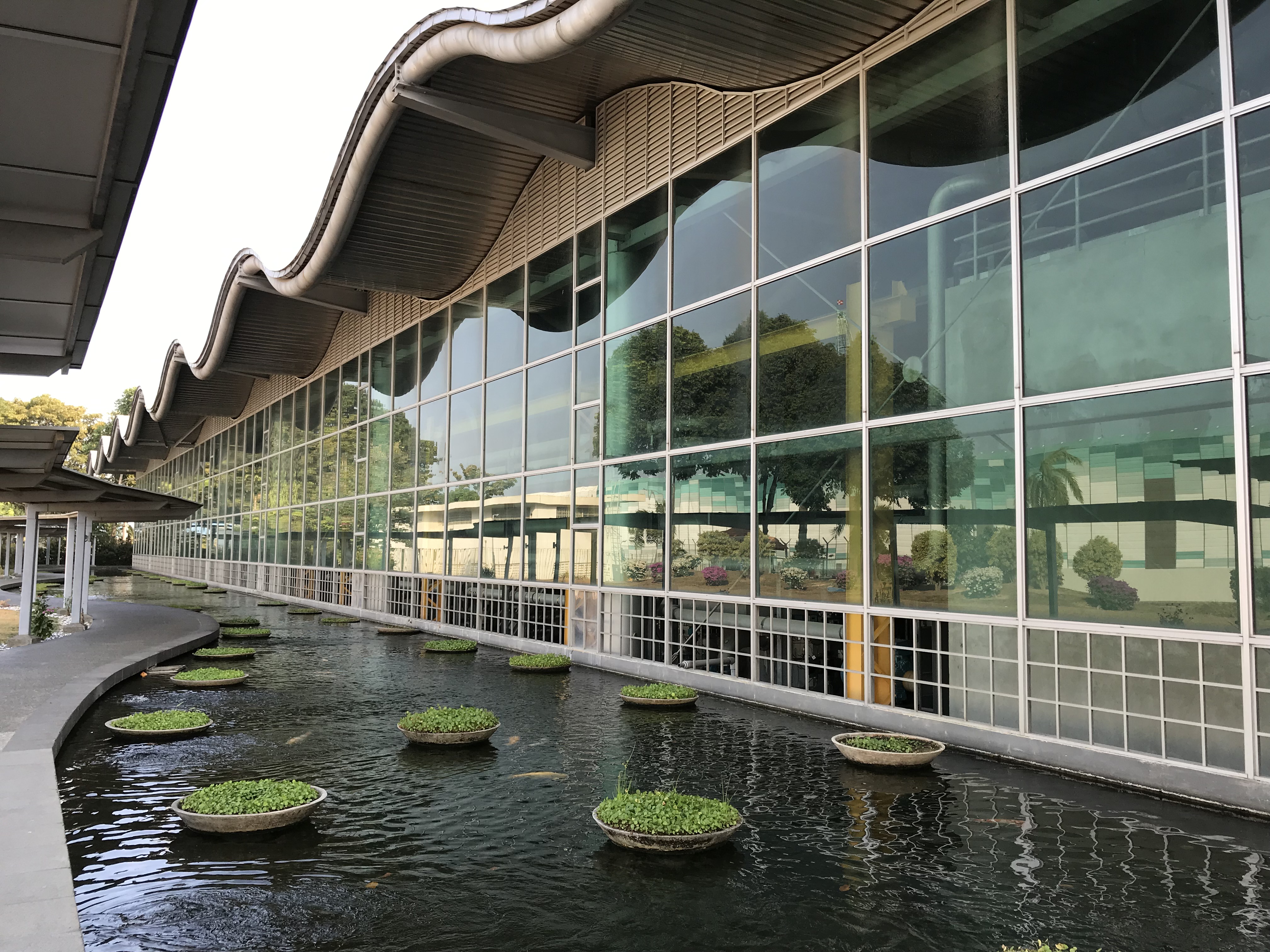
Singapore's NEWater process applies three purification barriers in sequence: microfiltration removes suspended particles down to 0.1 microns, reverse osmosis eliminates dissolved salts and organic compounds, and UV disinfection neutralizes any remaining pathogens.
As of 2026, four operational plants supply approximately 40% of Singapore's total water demand. The upcoming Tuas NEWater Factory will add 75 million gallons per day of production capacity by the end of the decade.
Full NEWater analysis →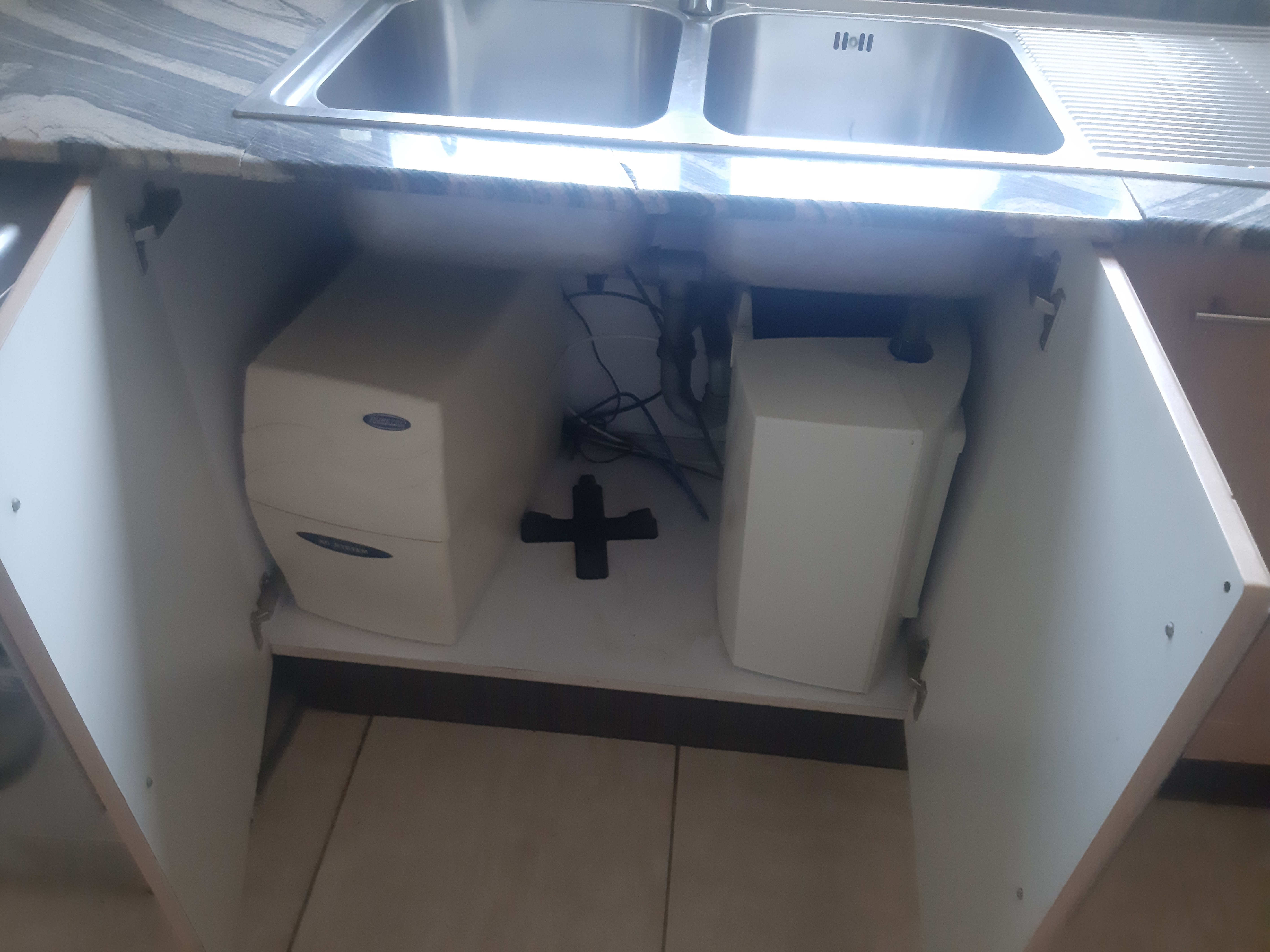
While PUB-treated tap water meets WHO guidelines, many HDB and condo residents add point-of-use filtration for taste improvement or additional contaminant removal. The three dominant residential technologies are activated carbon, ultrafiltration (UF), and reverse osmosis (RO).
Key factors for Singapore households include compact installation footprint, annual filter replacement costs, and whether the system retains beneficial minerals present in municipal supply.
Home filtration comparison →
A technical breakdown of how Singapore transforms used water into ultra-pure NEWater through microfiltration, reverse osmosis, and UV disinfection at the Bedok facility.
Read analysis →
Comparing three dominant residential filtration technologies by contaminant removal efficiency, mineral retention, wastewater output, and total annual operating cost in Singapore.
Read comparison →| Method | Removes | Retains Minerals | Wastewater | Energy | Typical Cost (SGD/yr) |
|---|---|---|---|---|---|
| Activated Carbon | Chlorine, VOCs, taste/odour | Yes | None | None | $80 – $150 |
| Ultrafiltration (UF) | Bacteria, cysts, sediment | Yes | Minimal | Low | $120 – $250 |
| Reverse Osmosis (RO) | Heavy metals, fluoride, TDS, pathogens | No | 3:1 to 4:1 ratio | Moderate | $200 – $450 |
| UV Disinfection | Bacteria, viruses | Yes | None | Low | $50 – $120 |
Cost estimates based on 2025–2026 retail pricing in Singapore. Actual costs vary by brand and usage volume. Data cross-referenced with PUB and manufacturer specifications.